
Discovering ants in the bathroom can be an unexpected nuisance. These unwelcome guests are often lured by the traces of sweet-smelling toiletries and the moisture that bathrooms provide, creating the perfect environment for them to thrive.
The quest to get rid of ants in the bathroom begins with understanding why they have invaded this private space. Factors such as leftover residue from sugary substances or consistent dampness can make bathrooms a hotspot for ant activity.
Efficiently dealing with ants in the bathroom requires a combination of thorough cleaning, moisture control, and the use of repellents or baits as necessary. By tackling the issue from multiple angles, one can create an environment that’s less inviting to ants, ensuring the bathroom remains a sanctuary free of pest disturbances.
Key Takeaways
Understanding Ant Behavior
Ant behavior in the bathroom revolves around their quest for moisture and their colony-based social structure. Recognizing specific species and understanding the causes behind their infestation are crucial steps toward effective management.
Types of Bathroom Ants
Several species of ants may be attracted to bathroom environments, each with unique characteristics and behaviors.
- Carpenter ants are large and may seek out wood softened by moisture damage, indicating a potential dual problem of infestation and water damage.
- Pharaoh ants are small, yellowish ants that are often attracted to bathrooms due to their preference for warm, moist areas.
- Argentine ants and odorous house ants can also invade bathrooms, lured by water and leftover soap residues that mimic sweetness.
- Tiny black ants are commonly found near sources of moisture and can infiltrate even the smallest openings.
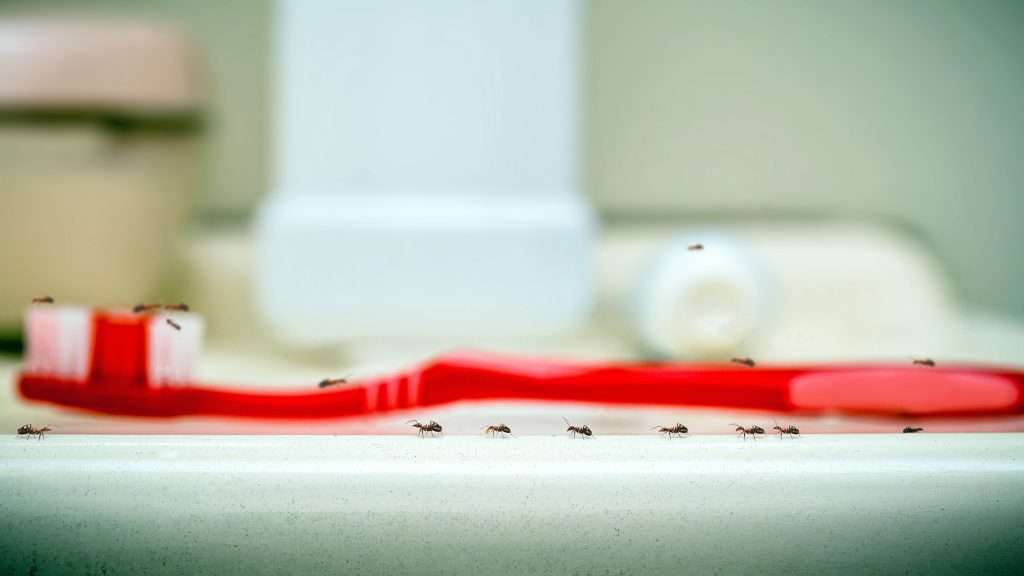
Causes of Ant Infestations
Ant infestations often occur due to accessible food and water sources. They are particularly attracted to bathrooms because of the consistent moisture available from sinks, showers, and bathtubs.
Ants use pheromones to communicate and signal to the rest of the colony the location of water resources. Even minimal leaks or condensation can be enough to draw ants into bathrooms. Once a scout ant locates a water source, others are quickly recruited to the site.
Identifying Common Ant Entry Points
Before taking actions to keep ants out of your bathtub, it is essential to identify where and how they are getting in. This typically involves a thorough inspection for cracks, gaps, and plumbing issues that may allow ants access to your bathroom.
Sealing Cracks and Gaps
Ants can enter through the tiniest of openings in the walls, floors, or tiles of a bathroom. To prevent their entry, one must inspect the bathroom meticulously for any cracks or gaps.
Pay special attention to areas where walls meet the floors, around the bathtub, and adjacent to bathroom windows. Once detected, these openings should be promptly sealed with caulk.
Replacing broken tiles and ensuring all areas are kept dry will further deter ant invasions by eliminating their preferred entry points and cutting off potential nesting sites.
Checking Plumbing and Drainage Issues
Ants are often drawn to moist environments, making bathrooms an ideal destination. To combat this, inspect all plumbing fixtures, including the shower, toilet, and drains, for leaks.
A leaking pipe can provide the perfect amount of moisture and an easy access route for ants.
This also means ensuring proper drainage in the bathroom by checking for clogged or slow-running drains which can attract ants looking for water.
If one finds any plumbing issues, they must be addressed swiftly to maintain a dry environment and thus, a less hospitable one for ants.
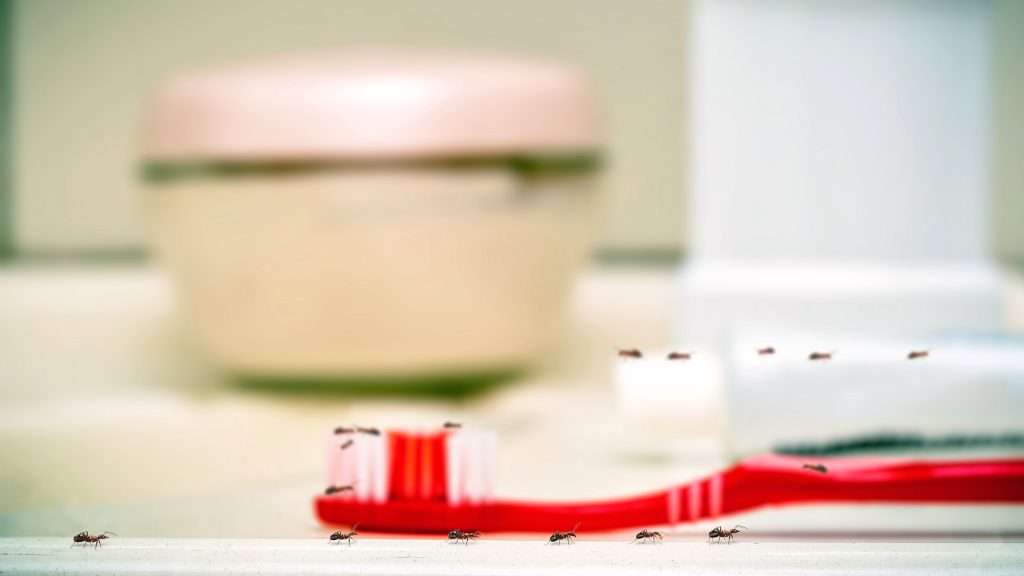
Ant Elimination Strategies
When tackling an ant infestation in the bathtub, it’s essential to choose effective strategies. Utilizing both natural and chemical methods can help ensure the ants are eliminated sustainably and safely.
Natural Ant Repellents
Natural ant repellents are often preferred for their safety and eco-friendliness. Common household items can deter ants without the use of harsh chemicals.
For example, vinegar, with its potent aroma and acidity, disrupts the pheromone trails that ants rely on to navigate. A simple mixture of equal parts water and vinegar can be sprayed around the tub to drive ants away.
Essential oils such as tea tree, peppermint, and orange have repelling properties against ants.
Soaking a cotton ball in a solution of these oils and water and placing it near the infestation can be effective.
Likewise, ground substances such as cinnamon, cayenne pepper, and coffee grounds can create barriers that ants are reluctant to cross.
Chemical Ant Control
For persistent or large-scale infestations, chemical ant control might be necessary.
Boric acid and borax serve as potent ant baits. They are combined with sweeteners to attract ants, which ingest the bait and carry it back to their colony, potentially eliminating the queen and the rest of the ants over time.
Ant traps and bait stations strategically placed around the bathtub can also provide long-term control, slowly poisoning the ants while keeping the poison contained and away from humans and pets.
For spot treatment, a nontoxic spray based on chemicals considered safe can be applied directly onto the ants and their trails.
These methods target not just the workers but the entire colony, disrupting their activity and preventing future invasions.
Maintenance to Prevent Recurrence
Preventing the recurrence of ants in the bathtub centers on maintaining a clean, dry environment and controlling indoor humidity. Here’s how these methods fend off future infestations.
Regular Cleaning Protocol
A meticulous cleaning routine is essential in maintaining an ant-free bathroom. This involves:
- Wiping down surfaces daily to remove toothpaste residue, soap scum, and water.
- Sweeping or vacuuming regularly to eliminate crumbs, shed hair, and dead skin cells that attract ants.
Using natural ant repellents like vinegar or essential oils during cleaning can also deter ants without the use of harsh chemicals.
Integrating these products into the cleaning process keeps the bathroom smelling fresh and inhospitable to ants.

Controlling Indoor Humidity
Controlling humidity is another critical step in an ant prevention strategy. Actions include:
- Regularly using an exhaust fan during and after showers.
- Fixing leaky faucets immediately to prevent puddles of water, which serve as ant attractions.
If humidity is a persistent problem, one might consider investing in a dehumidifier to maintain a drier environment.
Maintaining lower humidity levels makes the bathroom less appealing to moisture-seeking pests.
When to Seek Professional Help
Sometimes, ant infestations in the bathtub can persist despite various homemade remedies and over-the-counter solutions. In these cases, it’s critical to recognize when the situation warrants the expertise of professional pest control services.
Identifying Severe Infestations
A severe infestation is typically characterized by large numbers of ants that return even after treatment, or when ants have established multiple nests in hard-to-reach areas. Signs include:
- Continuous ant trails leading to and from the bathtub, despite thorough cleaning and immediate removal of standing water.
- Witnessing large nests or colonies, which might indicate a deep-rooted problem within the bathroom’s structure.
Engaging Pest Control Services
When homeowners encounter a severe ant infestation that is beyond their ability to manage, a professional pest control service becomes essential.
Pest control professionals possess the necessary experience, tools, and insecticides that are more effective and long-lasting than those available to the retail consumer.
Here are steps to engage their services:
- Research and select a reputable pest control company with positive reviews and a successful track record in ant infestation management.
- Schedule an inspection for a detailed assessment of the infestation, which helps in formulating a targeted extermination plan.
- Follow through with the recommended treatment plan and maintain regular communication to ensure the infestation is fully resolved.
Final Thoughts
When addressing an ant infestation in the bathroom, one must focus on both eradication and prevention.
Ensuring proper drainage is a fundamental step. Stagnant water can draw ants seeking moisture.
- Maintain Cleanliness: Regular cleaning to remove residues, spills, and debris is crucial.
- Seal Entry Points: Inspect and seal any cracks or crevices that may serve as entry points for ants.
- Dry Environment: Keep the bathroom dry and well-ventilated to deter ant colonies from establishing.
Effective management of an ant problem requires identifying the ant species since different ants may require specific approaches.
For instances involving Carpenter ants, one might consider a thorough check for any water-damaged structures. Carpenter ants are attracted to moist wood.
Managing proper drainage in the bathroom will eliminate the water sources that could attract ants.
If the infestation persists, seeking the expertise of pest control professionals may be the most reliable method to ensure a lasting solution.
By combining meticulous cleaning, maintenance, and sometimes the aid of professionals, one can maintain an ant-free bathroom.
